
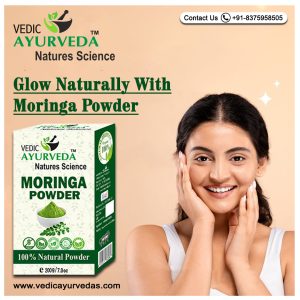
Moringa powder is one of the common natural products that are derived from dried leaves of the moringa tree plant. The moringa tree, which is botanically referred to as Moringa oleifera, is commonly referred to as the “drumstick tree.” Traditionally, it has been used in many cultures as an ingredient in food and medicine.
In the modern world, moringa leaf powder has found applications in smoothies, juices, tea beverages, recipes, and in personal care regimes. Moringa powder is sought after due to its nutritional content and flexibility as a product. As such, it provides an easy way of incorporating leafy botanical ingredients in one’s diet.
The powder is also used in personal care products. However, the most common application of moringa powder is in food products.
What Is Moringa Powder?
Generally, moringa powder is obtained through the process of collecting moringa leaves, drying them in appropriate conditions, and crushing the dried leaves into a fine powder.
Since the leaves are dried prior to crushing, the powder form of moringa is easier to keep and consume than the fresh form of moringa leaves since moringa powder can be consumed together with a range of foods without going through complex processes.
Moringa powder tastes leafy and earthy. Many people add moringa powder to their smoothies, fruit juice, soups, sauces, and other foods.
Nutritional Properties of Moringa Powder
Moringa leaves are rich in nutrients and plant compounds. Moringa powder may supply nutrients like proteins, fibers, vitamins, minerals, and antioxidants, but their nutritional content differs depending on various factors including cultivation, processing, storage, and the specific product.
Moringa has gained popularity especially among individuals who want to consume more plant-based foods.
It should be noted that moringa powder is a dietary supplement rather than a substitute for a balanced diet.
Advantages of Moringa Powder
1. Offers Nutrients from Plants
One of the primary advantages of using moringa powder is its nutritional composition. The dried leaves of moringa contain many nutrients and plant-based compounds which can help in having a balanced nutrition.
Consuming moringa powder is a good idea to include yet another plant-based food in your diet.
2. Contains Antioxidant Compounds
The leaves of moringa contain antioxidants in them. These antioxidants are present in the form of different polyphenols and other plant-based compounds.
The anti-oxidant compounds are responsible for fighting against oxidative stress and free radicals. One can have a wide variety of antioxidants through eating different fruits, vegetables, and herbs.
Therefore, moringa powder can be one such ingredient of your diet.
3. Contributes to a Balanced Diet
The balanced diet should involve different vegetables, fruits, whole grains, legumes, nuts, seeds, and other foods containing high nutritional value.
In this respect, Moringa powder might serve as an addition to such kind of diet since it is produced using a vegetable leaf ingredient and can be included in daily meals easily.
Nevertheless, it cannot be treated as a replacement of the vegetable or a complete food item.
4. Suitable for Daily Consumption
Sometimes, fresh vegetables become problematic in terms of long-term storage. Thus, Moringa powder serves as a good alternative since it can be preserved and included in food in small amounts.
Moreover, it may be added to drinks, used as sprinkles for meals, or used in various recipes.
Such convenience makes Moringa powder attractive for fans of functional food ingredients.
5. May Contribute to Digestive Health
Moringa leaf has dietary fiber, and dietary fiber is essential in aiding the proper functioning of digestion.
Dietary fiber is an essential component of a well-balanced diet, and you can obtain dietary fiber from plants such as vegetables, fruits, legumes, whole grains, seeds, etc.
Since individual nutritional requirements vary, introduction of fiber-containing foods in a gradual way may prove useful, together with adequate water consumption.
6. May Support a Wellness Lifestyle
Moringa powder can contribute to wellness because it can be used in meals and drinks that are nutritious.
Nevertheless, no single food can provide all nutrients necessary for well-being. The best use of moringa is in an overall well-balanced diet.
How to Choose Quality Moringa Powder
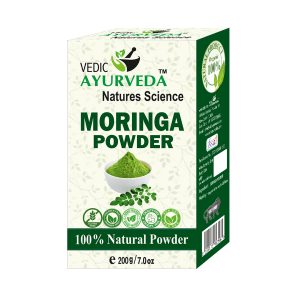
Not all moringa powders have the same quality. When purchasing moringa powder, consider the following:
- Look for clearly labeled ingredients.
- Choose a product made from moringa leaves.
- Check packaging and storage instructions.
- Look for a reputable manufacturer or supplier.
- Choose products with appropriate food-grade labeling when buying for consumption.
- Check the manufacturing and expiry information.
- Avoid products with unnecessary additives if you prefer a simple ingredient.
- Store the powder according to the manufacturer’s instructions.
A fresh, properly packaged product should have a characteristic green appearance and herbal aroma.
Conclusion
Powdered moringa is an all-around, plant-based food supplement which is created on the basis of dried moringa leaves. Thanks to its nutritional value, its powder format, and ease of consumption in daily meals, this natural product has recently become more and more popular among consumers who care about their health and want to stick to natural diet.
Moringa can be used in smoothies, tea, soups, yogurt, oatmeal, etc. Besides, this product can sometimes be used as one of the ingredients in certain beauty and care products.
However, while moringa powder provides useful nutrients, it should not be considered as some kind of miracle supplement and substitute for a well-balanced diet. The right strategy will consist of adding this product to your diet as a part of varied menu which includes vegetables, fruits, cereals, legumes, good fats, and proteins.
Use a high-quality product, follow the serving recommendations, store it properly, and start gradually including it in your menu.