
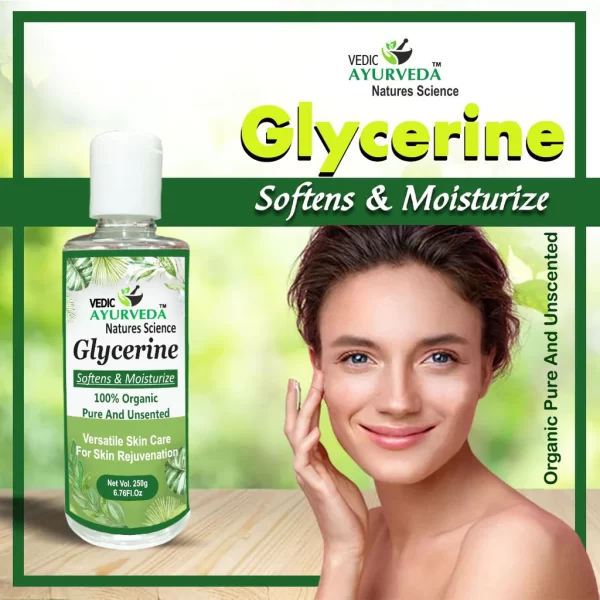
Vegetable glycerine is a commonly used skincare ingredient, which is well-known for its hydrating and moisturizing properties. Vegetable glycerine is a clear and odorless liquid, which comes from oils of natural plants. It is used in skincare products, soaps, shampoos, lotions, and creams.
In case your skin seems to be dry or dehydrated, you can use vegetable glycerine to moisturize the skin and give it the feeling of softness. Being a humectant, vegetable glycerine helps to attract water molecules to the skin and keeps it hydrated.
In this blog, we will discuss the benefits of vegetable glycerine for skin, ways to use it, safety issues, and reasons why vegetable glycerine can be helpful for your beauty care regimen.
What Is Vegetable Glycerine?
Vegetable glycerin is an oily substance that can be found in vegetables and plants in the form of vegetable oil like coconut oil, palm oil, and soybean oil. Vegetable glycerin is usually odorless and colorless.
The first skincare property of vegetable glycerin is its function as a humectant. Humectants have the capacity to retain moisture.
Vegetable glycerine is commonly found in:
- Face moisturizers
- Hydrating creams
- Facial cleansers
- Serums
- Body lotions
- Soaps
- Face masks
- Haircare products
- Lip care products
- DIY skincare formulations
Its versatility makes it suitable for many different beauty applications.
Skin Benefits of Vegetable Glycerine
1. Helps to Moisturize the Skin
Another benefit of using vegetable glycerine in skincare products is that it helps the skin to become moisturized.
If used regularly in proper skincare products, it will make dry skin feel softer and smoother.
People who have issues with dry skin can use vegetable glycerine as an ingredient in their moisturizers or in other skincare products diluted with water.
2. Helps to Keep the Skin Soft and Smooth
Dry skin appears as skin that looks rough and not smooth. With the use of vegetable glycerine, the skin can become moisturized, which will make it smoother.
This is the benefit that should be considered by people who want to keep their skin looking healthy when the weather is dry.
3. Helps to Maintain Skin Barrier
The skin barrier has a very important function in protecting the skin and keeping it from losing too much moisture.
One of the things that will help in maintaining skin barrier function is moisturizing the skin.
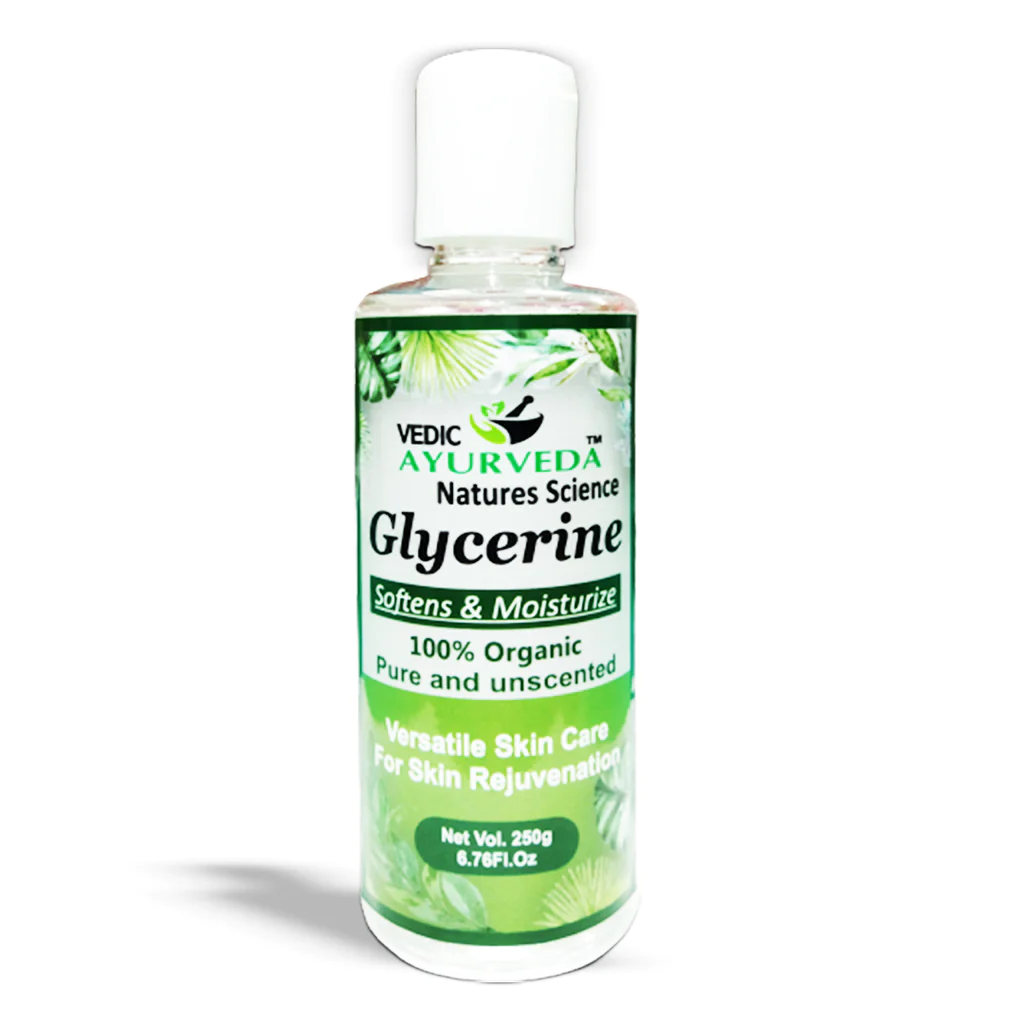
4. Provides Skin With a Bright and Well-Hydrated Look
Dehydrated skin can look pale and dull. When the skin is hydrated, it will look fresh and healthy.
Unlike bleaching agents, vegetable glycerine doesn’t have an effect on your skin color. This is due to the hydrating properties of the product that can provide the skin with the proper look.
5. Suitable For Use at Home
Vegetable glycerine is widely used for making home-made skincare products. This product can be used in face masks, body care solutions, and moisturizers.
While using vegetable glycerine at home, one should keep in mind that large portions of pure glycerine shouldn’t be applied to the skin.
6. Useful for Dry Areas of the Body
Vegetable glycerine is not limited to facial skincare. It can also be used in body-care formulations for areas that commonly become dry, such as:
- Hands
- Elbows
- Knees
- Feet
- Heels
Adding glycerine to a body lotion or other suitable moisturizing product can help improve the feel of dry skin.
7. Helps Improve the Feel of Rough Skin
Rough skin is often associated with dryness and inadequate moisture. By helping the skin retain hydration, glycerine can make rough areas feel smoother and softer.
For best results, combine it with a consistent moisturizing routine rather than relying on a single ingredient.
Vegetable Glycerine for Glowing Skin
There are many people looking for vegetable glycerine for glowing skin due to the fact that moisture content is key to having beautiful skin.
Well-moisturized skin could be smooth and radiant. This can be supported with vegetable glycerine since it helps in attracting moisture content to your skin.
Vegetable glycerine is not a lightening agent as it doesn’t help in removing pigmentation from your skin or changing your natural skin tone. Moisture is what vegetable glycerine does to your skin.
In order to have a very simple moisturizing regime, you can simply use vegetable glycerine along with suitable components such as rose water or aloe vera.
How to Use Vegetable Glycerine on the Face
Vegetable glycerine should generally be used in a diluted or properly formulated product rather than applied heavily in concentrated form.
Simple Hydrating Blend
You can make a simple skincare mixture using:
- A small amount of glycerine
- Rose water or another suitable hydrating base
Mix the ingredients thoroughly and apply a small amount to clean skin.
Always perform a patch test before using a new DIY skincare mixture, especially if you have sensitive skin.
Add It to Your Moisturizer
Another simple option is to use a moisturizer that already contains glycerine. This allows you to benefit from its moisturizing properties without creating a DIY formulation.
Glycerine for Different Skin Types
Dry Skin
Glycerine can be particularly useful for dry skin because it helps attract moisture. Pairing it with an emollient moisturizer can provide a more complete moisturizing routine.
Normal Skin
People with normal skin can use glycerine-containing moisturizers to maintain hydration and softness.
Oily Skin
Oily skin can still become dehydrated. A lightweight glycerine-based product may provide hydration without requiring a heavy oil-based product.
Choose non-comedogenic formulations when possible if you are prone to clogged pores.
Sensitive Skin
If you have sensitive skin, choose a simple product with minimal additional ingredients. Always perform a patch test before applying a new product over a larger area.
Conclusion
Glycerine is a versatile plant-derived ingredient for skin care products that helps retain moisture, keep the skin soft, and give it a healthy look. Humectant qualities of the substance make it ideal for moisturizers, lotions, serums, soap and DIY recipes for beauty care.
Those who have problems with dry or dehydrated skin might find it useful to apply glycerine-based product in their skin care regime in order to provide themselves with moisture.
To receive maximum effect from this ingredient, one should choose cosmetic grade vegetable glycerine and not abuse its usage while applying a patch test before using new product or DIY recipe.
If you want to make your beauty regime more hydration-oriented, you can try vegetable glycerine.