
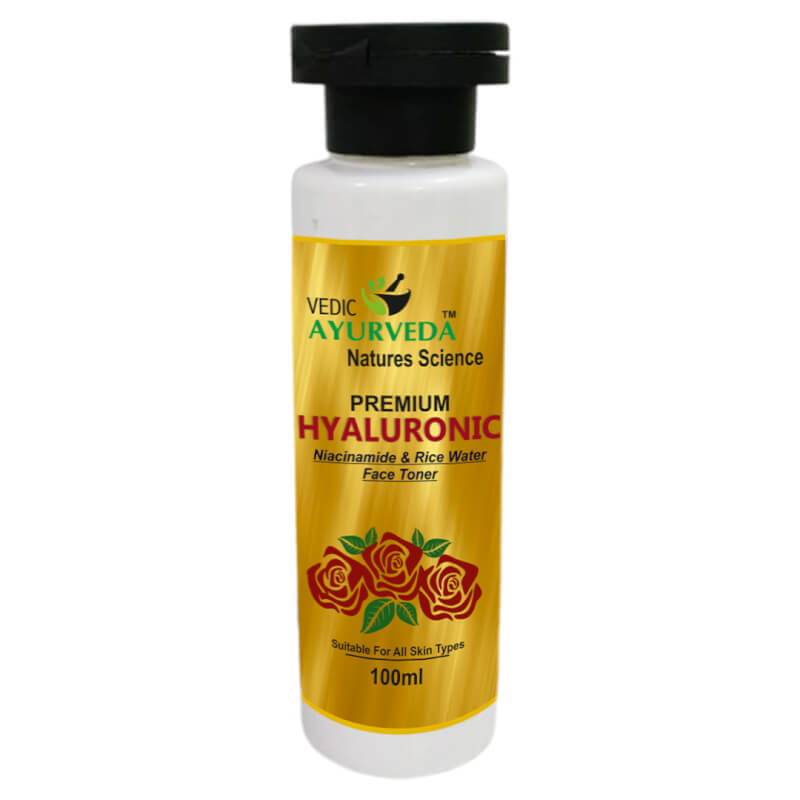
7 Premium Hyaluronic Acid: Benefits, Uses & Skin Care Guide
7 Premium Hyaluronic Acid is a skincare formulation designed to support hydrated, smooth, and healthy-looking skin. Hyaluronic acid is a naturally occurring substance known for its ability to attract and retain moisture, making it a popular ingredient in modern skincare products.
A well-formulated hyaluronic acid product can be incorporated into daily skincare routines to help improve the appearance of dry, dehydrated, and dull-looking skin.
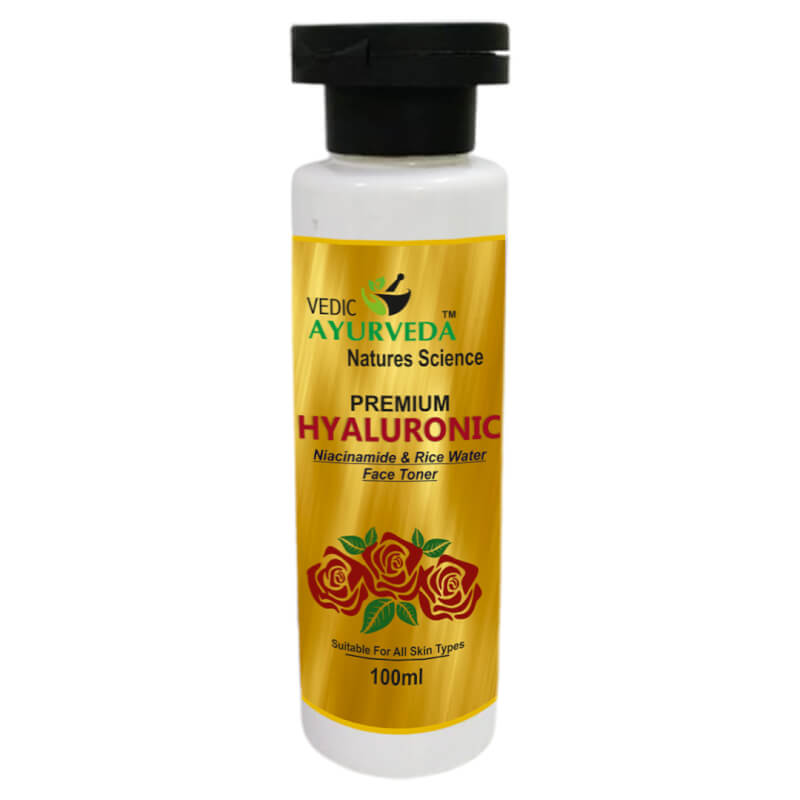
What Is Hyaluronic Acid?
Hyaluronic acid is a moisture-binding ingredient naturally found in the body, including the skin. In skincare, it is commonly used as a humectant, meaning it helps attract water and supports skin hydration.
As skin becomes dehydrated, it can appear dry, tight, rough, or dull. Adding a hyaluronic acid product to a skincare routine can help the skin feel more hydrated and comfortable.
Benefits of 7 Premium Hyaluronic Acid
1. Provides Skin Hydration
Hyaluronic acid is widely used to support skin hydration. It helps attract moisture and can leave the skin feeling softer and more comfortable.
2. Helps Improve the Appearance of Dry Skin
Dehydrated skin may appear rough or flaky. A hyaluronic acid-based product can provide additional moisture and help improve the appearance of dry-looking skin.
3. Makes Skin Look Plumper
Well-hydrated skin can appear smoother and more plump. Hyaluronic acid helps support moisture levels, which can temporarily improve the appearance of fine dehydration lines.
4. Helps Skin Feel Smooth
Regular hydration can help improve the feel and appearance of the skin. Hyaluronic acid can be particularly useful when the skin feels dry or tight.
5. Supports a Healthy-Looking Skin Barrier
Keeping the skin adequately moisturized is an important part of maintaining a healthy-looking skin barrier. Hyaluronic acid can complement a moisturizing skincare routine.
6. Gives Skin a Fresh, Dewy Appearance
Hydrated skin often looks fresher and more radiant. Adding hyaluronic acid to a daily skincare routine can help give the skin a moisturized, healthy-looking appearance.
7. Suitable for Many Skin Types
Hyaluronic acid is commonly used in products designed for different skin types, including dry, normal, combination, and oily skin. The overall formulation should still be considered when choosing a skincare product.
How to Use 7 Premium Hyaluronic Acid
For best results, follow the instructions provided with your specific product.
A typical skincare routine may include:
- Cleanse your face with a gentle cleanser.
- Apply hyaluronic acid to slightly damp skin if recommended by the product instructions.
- Gently spread the product over your face and neck.
- Follow with a moisturizer to help lock in hydration.
- Apply sunscreen during the daytime.
Hyaluronic acid can generally be used in both morning and evening routines, depending on the product formulation.
Hyaluronic Acid for Dry Skin
Dry skin often needs consistent moisture and gentle skincare. Hyaluronic acid can help provide hydration and may make dry skin feel softer and more comfortable.
For best results, use it together with a suitable moisturizer rather than relying on a humectant alone.
Hyaluronic Acid for Oily Skin
Oily skin can still become dehydrated. A lightweight hyaluronic acid formulation may provide hydration without necessarily feeling heavy or greasy.
Choose a product with a texture that suits your skin type and follow it with an appropriate lightweight moisturizer.
Hyaluronic Acid for Dull Skin
Dehydration can contribute to a dull-looking complexion. By supporting skin hydration, hyaluronic acid can help skin appear fresher and more radiant.
For a complete routine, combine hydration with gentle cleansing, moisturizing, and daily sun protection.
Can Hyaluronic Acid Be Used Every Day?
Hyaluronic acid is commonly incorporated into daily skincare routines. However, always follow the directions of your specific product.
If you are introducing a new skincare product, patch testing can help determine whether it is suitable for your skin.
Hyaluronic Acid and Other Skincare Ingredients
Hyaluronic acid can be used alongside many common skincare ingredients. Depending on the formulation, it can complement ingredients such as:
- Vitamin C
- Niacinamide
- Aloe vera
- Ceramides
- Peptides
- Glycerin
Always follow the instructions for each product and avoid unnecessarily complicated routines.
Precautions
Although hyaluronic acid is commonly used in skincare, individual skin sensitivity can vary.
Before using a new product:
- Check the ingredient list.
- Perform a patch test if recommended.
- Avoid contact with the eyes.
- Do not apply to irritated or damaged skin.
- Stop using the product if significant irritation occurs.
Frequently Asked Questions
What does hyaluronic acid do for the skin?
Hyaluronic acid helps attract and retain moisture, supporting hydrated, smoother, and healthier-looking skin.
Can hyaluronic acid be used on dry skin?
Yes. Hyaluronic acid is commonly used in skincare routines for dry and dehydrated skin to provide additional hydration.
Can oily skin use hyaluronic acid?
Yes. Oily skin can still benefit from hydration. A lightweight hyaluronic acid formulation may be a suitable option.
Should I use moisturizer after hyaluronic acid?
Generally, yes. Applying a moisturizer after a hydrating serum can help support the skin’s moisture balance.
Can I use hyaluronic acid every day?
Many hyaluronic acid products are designed for daily use. Follow the directions provided with your particular product.
Final Thoughts
7 Premium Hyaluronic Acid can be a useful addition to a daily skincare routine focused on hydration and maintaining smooth, healthy-looking skin. Its moisture-binding properties make hyaluronic acid a popular choice for people dealing with dry, dehydrated, or dull-looking skin.
For an effective routine, apply the product as directed, follow with a suitable moisturizer, and use sunscreen during the day. Consistent and gentle skincare is key to maintaining hydrated and healthy-looking skin.